
Introduction: Why “classroom 15x” Confuses Everyone
Search for classroom 15x and you’ll find two very different things:
- A classroom model that blends AI‑powered personalization, flexible spaces, and data‑driven teaching.
- A gaming website that hosts “unblocked” browser games students try to access on school or home networks.
Because both use the same phrase, people—teachers, IT admins, even students—often talk past each other. This guide clears that up. You’ll learn how the classroom 15x learning model is described by education articles, how the Classroom15x gaming site presents itself, practical pros and cons for each, and what to do next whether you’re an educator, a parent, or a student.
The Two Uses of “Classroom 15x”
1) “Classroom 15x” as a modern learning model
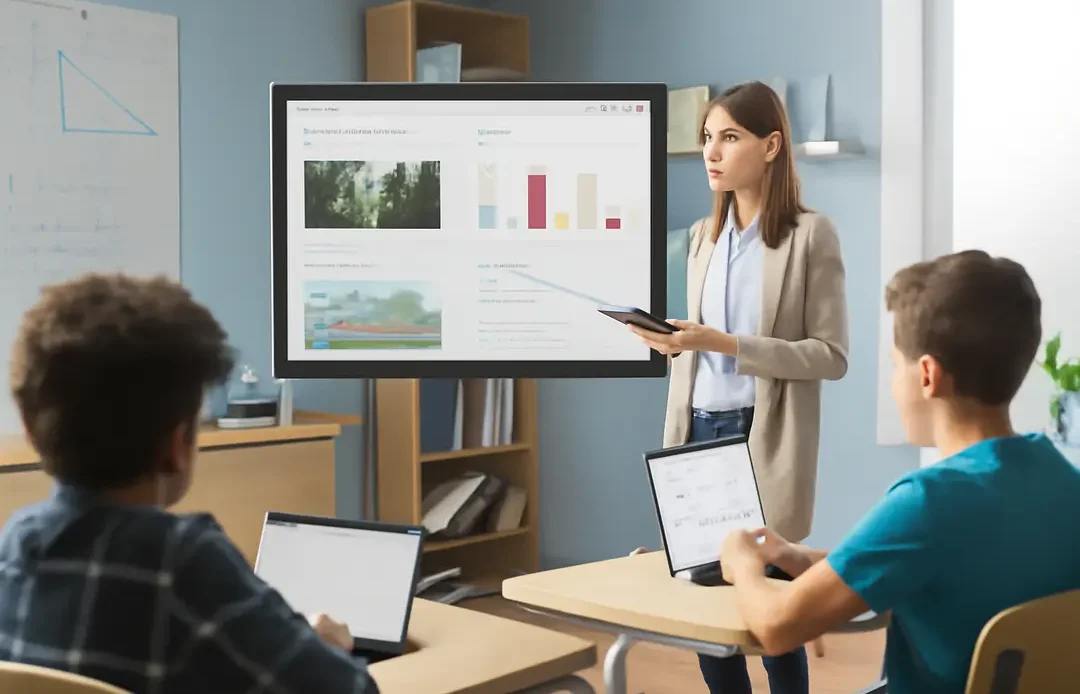
In education blogs and think‑pieces, classroom 15x is framed as a future‑ready classroom design. Articles describe a setup that aims to multiply learning impact by combining:
- Adaptive software that personalizes tasks for each learner
- Real‑time dashboards to surface who needs help right now
- Flexible seating and zones for quiet focus, small‑group collaboration, and hands‑on projects
- Immersive or interactive tools (from AR/VR to simulation apps)
- Teacher facilitation over one‑size‑fits‑all lecturing
Some writers say the “15x” label implies ambitious improvement (a stretch goal mindset). Others take it literally as an optimized design around 15 learners for easier differentiation. The precise definition varies by article, but the shared theme is personalized, data‑informed, collaborative learning.
2) “Classroom15x” as an unblocked‑games website
There is also a site commonly referred to as Classroom15x that curates browser‑based games across categories like action, puzzle, racing, sports, and two‑player titles. Typical messaging emphasizes:
- Quick play in the browser (no downloads)
- Fast‑loading pages with simple navigation
- Mobile‑friendly access for some games
- Catalogs of trending or classic titles such as OvO, Slope, Retro Bowl, Tiny Fishing, and more
This usage has nothing to do with school LMS platforms—it’s a gaming hub. Students usually find it while searching for “classroom 6x/15x/30x” style unblocked game portals.
Bottom line: “Classroom 15x” is a polyseme—one phrase, two unrelated meanings. When you discuss it with colleagues or students, start by asking which one they mean.
Key Features Attributed to the Classroom 15x Learning Model
Personalization at the core
- Diagnostic entry points: Students begin with low‑friction checks to identify gaps.
- Adaptive pathways: Tasks, readings, and practice adjust to progress and misconceptions.
- Timely nudges: Alerts flag when a learner stalls, so teachers can intervene quickly.
Data that’s actually useful
- Live dashboards show the class at a glance—who’s mastered a skill, who’s at risk, and where to group students for mini‑lessons.
- Evidence of growth (not just end‑of‑term grades) supports conferences with learners and families.
Flexible, purpose‑built space
- Modular furniture makes it easy to switch from whole‑class to stations in minutes.
- Zones—collaboration tables, quiet corners, and maker areas—signal the kind of work happening there.
- Ambient design (lighting, acoustics, movement) reduces cognitive load and ramps up focus.
Balanced use of technology
- Interactive displays replace static boards for modeling, annotating, and sharing student work.
- Device‑agnostic apps keep friction low across laptops, tablets, and touch screens.
- Optional AR/VR makes abstract concepts hands‑on without dominating every lesson.
Teacher role: facilitator and designer
- Plan just‑in‑time mini‑lessons based on live data.
- Curate experiences—projects, simulations, debates—where students apply what they’re learning.
- Coach metacognition (goal‑setting, reflection, and strategy talk) so gains transfer beyond one unit.
Benefits & Drawbacks of the Learning‑Model Interpretation
Potential benefits
- Higher engagement: Choice, movement, and relevance pull students in.
- Better differentiation: Adaptive tasks plus teacher‑led small groups meet learners where they are.
- Faster feedback loops: Students see progress right away and adjust.
- Stronger collaboration skills: Frequent team problem‑solving mirrors real‑world work.
Real‑world constraints
- Upfront costs: Furniture, devices, and displays require budget planning.
- Training time: Teachers need PD to design and facilitate this kind of learning.
- Equity & access: Schools must address home connectivity and device gaps.
- Privacy & safety: Data systems should meet district, state, and national compliance standards.
Pro tip: Start with one grade level or department and expand. Track outcomes such as engagement, formative growth, and attendance to make the case for scale‑up.
What the Classroom15x Games Site Typically Offers
Common site characteristics
- Browser‑based play with no installs
- Game categories such as Arcade, Adventure, Driving, Puzzle, Sports, Shooting, Simulation, and 2‑Player
- “New,” “Hot,” and “Most Popular” lists to surface trending titles
- Mobile‑friendly pages for on‑the‑go play in some games
Examples of familiar titles you’ll often see
- OvO, Slope, Retro Bowl, Level Devil, BitLife, Granny, Polytrack, Subway Runner, and more
A note on “unblocked” claims
- These sites are not affiliated with school platforms like Google Classroom.
- Whether a site loads at school depends on district filtering and policies.
- Trying to evade filters can violate acceptable‑use agreements and lead to disciplinary action.
If you’re an educator or parent: Treat these sites like any other entertainment portal. Discuss time limits, appropriate content, and when gaming is okay (e.g., at home vs. in class).
Is Classroom 15x the Same as Classroom 6x (or 30x)?
Not exactly. The “6x/15x/30x” naming pattern is popular among unblocked‑game catalogs, but each site operates independently. None are part of Google Classroom or a district LMS, and policies about access on school networks differ by district. In contrast, the learning‑model meaning of classroom 15x is a pedagogical idea, not a game site.
How Schools Can Pilot the Classroom 15x Learning Model (Step‑by‑Step)
1) Define success up front
- Pick three measurable goals (e.g., attendance, formative mastery, student agency).
- Identify one or two priority subjects where the approach could have fast impact.
2) Prepare the space
- Start small: mobile whiteboards, pods of tables, and a few soft‑seating zones go a long way.
- Map traffic flow so movement between stations feels natural.
3) Tune your tech stack
- Keep it simple: a reliable LMS or classroom hub for assignments and announcements.
- Add adaptive practice in core areas and a formative assessment app for checks‑for‑understanding.
- Ensure roster sync and SSO to reduce login friction.
4) Build teacher capacity
- Offer PD on station‑rotation, data‑driven grouping, and mini‑lesson design.
- Pair teachers for peer walk‑throughs and quick feedback cycles.
5) Center inclusion and accessibility
- Use captioning, screen‑reader‑friendly materials, and dyslexia‑friendly fonts.
- Provide multimodal options (video, text, audio, manipulatives) for demonstrating mastery.
6) Measure, reflect, iterate
- Track a weekly dashboard: participation, exit‑ticket mastery, small‑group frequency.
- Celebrate wins; adjust grouping, pacing, or space layouts based on the data.
Responsible Use & Network Realities (For IT, Admins, and Families)
- Follow district AUPs. Entertainment sites—even “school‑friendly” ones—may be blocked during class time.
- Use content‑filtering and device management to encourage focus while allowing legitimate learning tools.
- Communicate norms: when gaming is allowed (e.g., after‑school clubs) and what “on‑task” looks like in class.
- Coach digital balance: healthy screen habits, breaks, and offline activities.
Quick Start Tips (For Students & Parents at Home)
If you’re exploring the games meaning of classroom 15x at home:
- Use a trusted device and browser; avoid shady download prompts.
- Stick to age‑appropriate categories and titles.
- Set timers (e.g., 20–30 minutes) to keep balance with homework and rest.
- Never share personal info inside game chats or pop‑ups.
Alternatives & Complements Worth Knowing
- Google Classroom or another LMS for distributing work, grading, and announcements.
- Adaptive practice platforms in core subjects for data‑driven personalization.
- Game‑based learning tools (quizzes, challenges, simulations) that let teachers align play with standards.
- Open‑ended creation apps (coding, video, design) so students build and showcase learning, not just consume.
Conclusion: Ask the Clarifying Question First
Because classroom 15x refers to two unrelated things, the best first step is a clarifying question: Do you mean the learning model or the games site? From there, you can:
- Plan a small classroom pilot with flexible space, adaptive tools, and live data if you’re talking pedagogy.
- Set clear boundaries at home if you’re talking games—what to play, when to play, and for how long.
Either way, you’ll turn the buzzword into a concrete, constructive plan.
FAQs (Fresh Questions That Weren’t Answered Above)
1) What does the “15x” actually stand for?
It depends on the article you’re reading. Some interpret it as an aspirational multiplier for learning outcomes; others describe 15x as an optimized setup for ~15 learners to enable personalization and rapid feedback.
2) Is classroom 15x a product I can buy, or a way of teaching?
For the learning model, it’s a way of teaching and organizing space/tech, not a single product. Schools assemble the pieces (space, PD, devices, software) that fit their context.
3) Is the Classroom15x games site affiliated with Google Classroom?
No. Despite the similar naming convention, games portals are independent sites and are not part of Google’s education tools or your district LMS.
4) Can schools responsibly mix game‑based learning with a 15x‑style classroom?
Yes—if games are aligned to objectives and used within structured activities (stations, challenges, or projects). The key is that play supports learning targets, not the other way around.
5) What’s the fastest low‑cost change to make a classroom feel “15x”?
Rearrange the room into clearly labeled zones (collab tables, focus corners, mini‑lesson area), add a live progress tracker (even a simple spreadsheet), and adopt daily exit tickets to drive next‑day grouping.
6) How do IT teams handle students seeking unblocked games?
Set clear AUPs, use content filtering and monitoring, and provide purposeful alternatives during downtime (e.g., teacher‑approved creative tools). Communicate consequences and—more importantly—offer on‑task activities that are genuinely engaging.
7) Does classroom 15x work in early grades or only secondary school?
The principles (movement, choice, personalization, immediate feedback) apply K‑12. Early grades will tilt toward hands‑on centers and play‑based learning, while secondary classes may emphasize self‑paced pathways and projects.